


-

Add: HeBei ShengShi HongBang Cellulose Technology CO.,LTD.
-

Email
13180486930@163.com -

CONTACT US
+86 13180486930
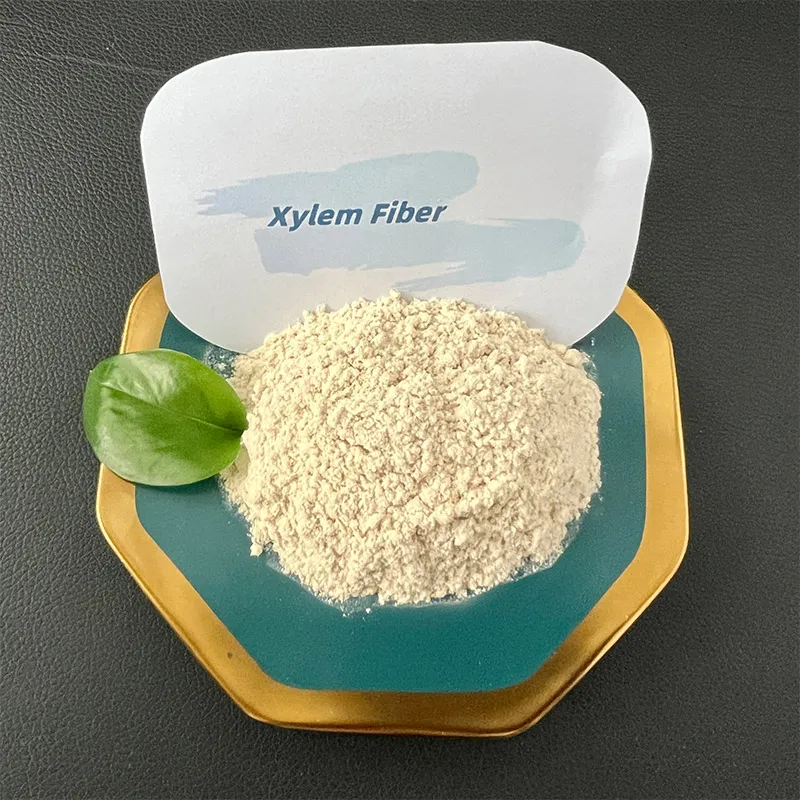

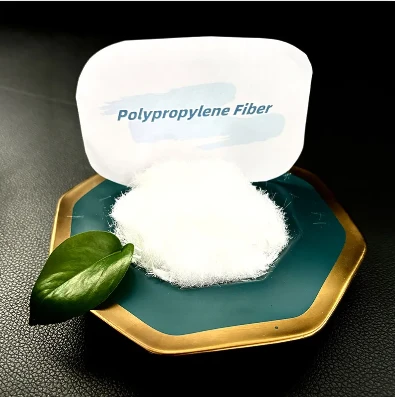
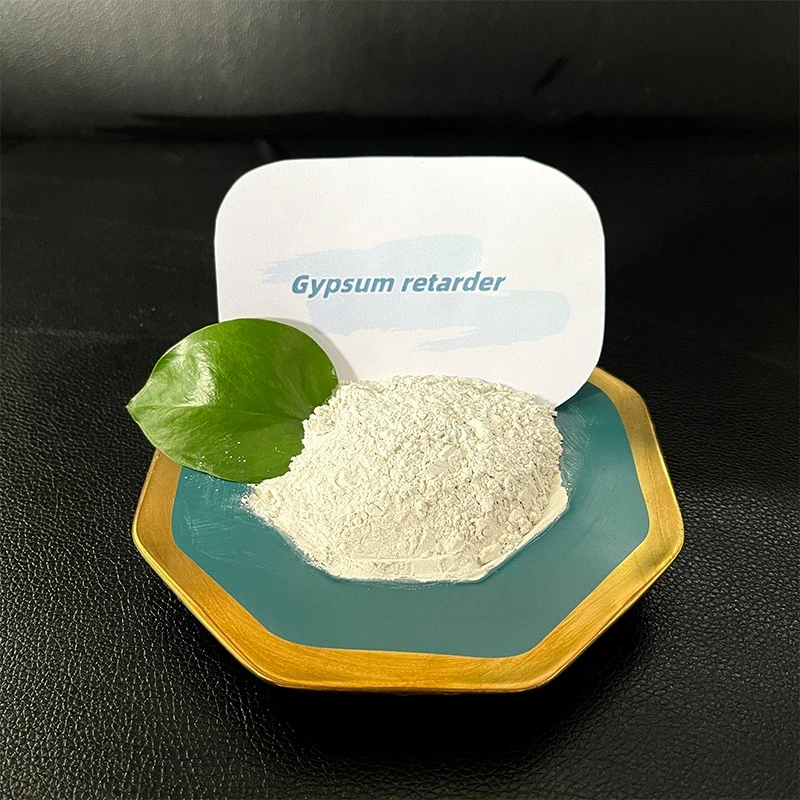


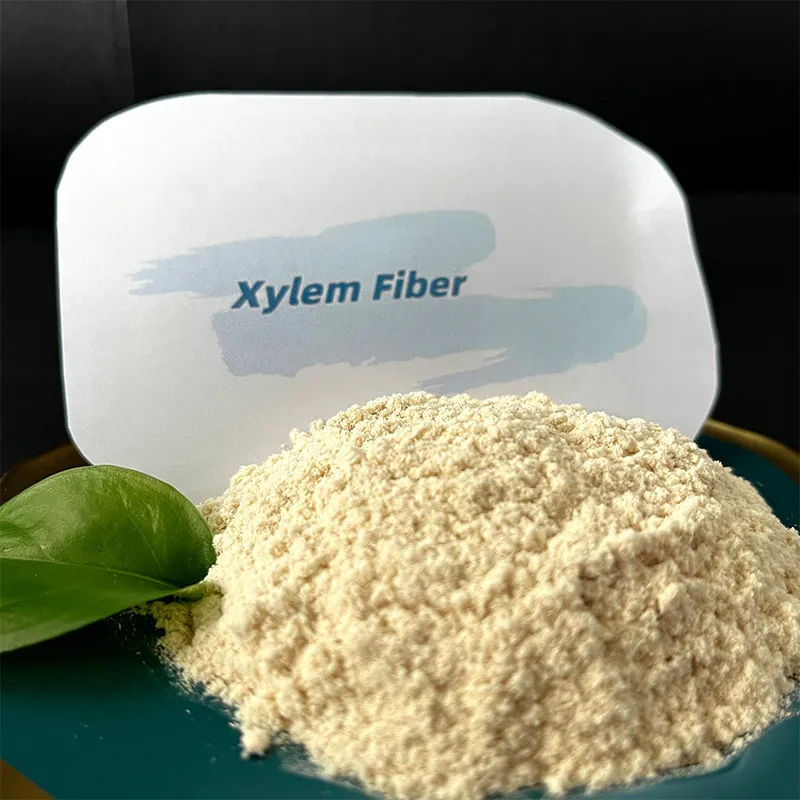
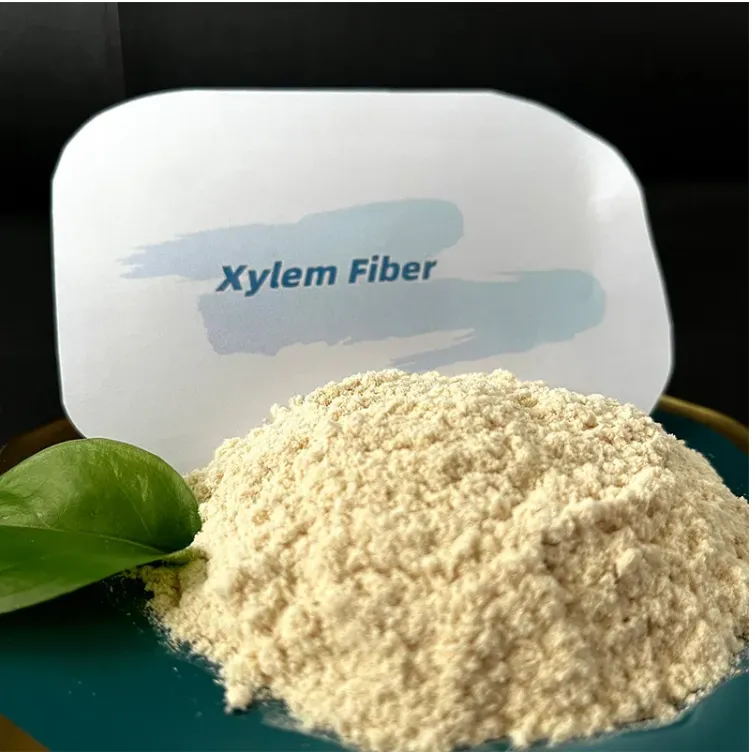
Xylem Fiber , a natural and renewable material sourced from wood, has emerged as a game-changer in modern industries. Derived from the fibrous tissue of trees, this eco-friendly resource undergoes advanced chemical treatments and mechanical processing to enhance its structural and functional properties. As global demand for sustainable solutions grows, Xylem Fiber is redefining the construction, manufacturing, and environmental sectors with its versatility and eco-conscious design. This article explores the features, advantages, technical specifications, and real-world applications of Xylem Fiber , while highlighting the role of HeBei ShengShi HongBang Cellulose Technology CO.,LTD in advancing this innovative material. What is Xylem Fiber? Xylem Fiber is a biodegradable, organic material extracted from the vascular tissue of trees. This natural resource is processed through a combination of chemical treatments and mechanical refinement to achieve optimal strength, durability, and workability. Unlike synthetic alternatives, Xylem Fiber retains its renewable and sustainable properties, making it an ideal choice for industries seeking eco-friendly solutions. The material’s unique composition allows it to integrate seamlessly into various applications, from construction to manufacturing, while reducing reliance on non-renewable resources. For more details about Xylem Fiber , visit the official product page . Key Features of Xylem Fiber Xylem Fiber boasts a range of features that make it a preferred choice in modern industries: Eco-Friendly Composition: Sourced from renewable wood resources, Xylem Fiber is biodegradable and reduces environmental impact compared to synthetic alternatives. Enhanced Strength and Durability: The fiber’s structural integrity is optimized through advanced processing techniques, making it suitable for high-stress applications. Adaptability: Xylem Fiber can be tailored to meet specific industry requirements, from construction materials to industrial products. Cost-Effective: By reducing the need for traditional raw materials, Xylem Fiber lowers production costs while maintaining quality. Advantages of Xylem Fiber The advantages of Xylem Fiber extend beyond its environmental benefits, offering practical value across multiple sectors: Sustainability: Xylem Fiber supports responsible forestry practices and contributes to carbon sequestration, aligning with global sustainability goals. Improved Material Performance: When integrated into concrete, mortar, or asphalt, Xylem Fiber enhances structural resilience and longevity. Biodegradability: Unlike synthetic fibers, Xylem Fiber decomposes naturally, reducing landfill waste and environmental pollution. Versatility: The material’s adaptability allows it to be used in diverse applications, from building materials to household products like wood pulp sponges. Learn more about HeBei ShengShi HongBang Cellulose Technology CO.,LTD and their commitment to innovation at the company page . Technical Specifications of Xylem Fiber Parameter Specification Material Source Natural wood fibers Processing Method Chemical treatments and mechanical refinement Applications Concrete, mortar, asphalt, gypsum, MDF, wood pulp sponges Environmental Impact Biodegradable, reduces carbon footprint Strength Enhanced structural integrity Applications of Xylem Fiber Xylem Fiber is a versatile material with applications spanning multiple industries: 1. Construction Industry In the construction sector, Xylem Fiber is used to enhance the properties of concrete and mortar mixes. Its incorporation improves compressive strength, reduces cracking, and increases durability. Additionally, Xylem Fiber is utilized in gypsum products to improve structural integrity and workability. 2. Asphalt Industry Xylem Fiber acts as a reinforcing agent in asphalt production, enhancing the resilience and longevity of road surfaces. This application reduces maintenance costs and extends the lifespan of infrastructure. 3. Medium Density Fiberboard (MDF) Xylem Fiber is a key ingredient in the production of MDF , a sustainable building material used in furniture and interior design. Its use ensures sturdiness while maintaining eco-friendly credentials. 4. Household Products The absorbent properties of Xylem Fiber make it ideal for manufacturing wood pulp sponges , offering a biodegradable alternative to synthetic cleaning products. Company Background: HeBei ShengShi HongBang Cellulose Technology CO.,LTD HeBei ShengShi HongBang Cellulose Technology CO.,LTD is a leading manufacturer specializing in cellulose wood fibers and related products. With a focus on sustainability and innovation, the company has established itself as a trusted provider of Xylem Fiber and other eco-friendly materials. Their state-of-the-art processing techniques ensure the production of high-quality fibers that meet international standards. For more information about the company, visit the HeBei ShengShi HongBang Cellulose Technology CO.,LTD website. Environmental and Economic Impact The adoption of Xylem Fiber contributes to both environmental and economic sustainability. By reducing reliance on non-renewable resources, the material helps lower the carbon footprint of industries. Additionally, its cost-effectiveness and adaptability make it an attractive option for manufacturers seeking to balance profitability with ecological responsibility. According to a study by the National Institute of Standards and Technology (NIST) , sustainable materials like Xylem Fiber play a critical role in advancing green technologies. NIST’s research emphasizes the importance of integrating renewable resources into manufacturing processes to achieve long-term environmental goals. While specific NIST standards for Xylem Fiber are still under development, the material’s alignment with sustainability principles positions it as a promising solution for the future. References: National Institute of Standards and Technology (NIST) Conclusion Xylem Fiber represents a significant advancement in sustainable material science, offering a renewable alternative to traditional industrial resources. Its unique properties, combined with the expertise of HeBei ShengShi HongBang Cellulose Technology CO.,LTD , make it a valuable asset for industries striving to meet environmental and performance standards. As the demand for eco-friendly solutions continues to grow, Xylem Fiber is poised to play a pivotal role in shaping the future of construction, manufacturing, and beyond. Explore the Xylem Fiber product page to learn more about its applications and benefits.
- 40000tons

Production
- 20+years

Experience
- 5000+㎡

Acreage

-
Low melt polyester staple fiber is carving out a critical niche across various industries due to its unique attributes and versatile applications. This high-performance fiber is revolutionizing the way manufacturers approach product development, blending exceptional functional properties with environmental benefits. Low melt polyester staple fiber (LMPSF) is engineered to combine superb thermal bonding capabilities with excellent mechanical strength . This fiber differs fundamentally from standard polyester fibers because its melting point allows it to integrate seamlessly into various nonwoven fabrics and textile composites. During manufacturing, these fibers are exposed to temperatures just high enough to melt them slightly, bonding the fibers together without compromising the structural integrity of the surrounding materials. This intrinsic bonding capacity makes LMPSF an ideal choice for industries focusing on sustainability and efficiency. One of the most compelling aspects of LMPSF is its significant contribution to eco-friendly manufacturing processes. As industries gravitate towards sustainable practices, LMPSF provides a solution that minimizes the need for chemical adhesives, thereby reducing airborne pollutants and the associated health risks during production. Additionally, these fibers contribute to energy savings by operating effectively at lower temperatures, decreasing the overall energy consumption of manufacturing systems. These eco-centric advantages make LMPSF an appealing choice for manufacturers committed to reducing their carbon footprint while maintaining product quality and performance. Moreover, LMPSF's versatility extends into a wide array of applications, serving sectors such as automotive, construction, hygiene products, and even fashion. In the automotive industry, for example, these fibers are used to produce lightweight yet durable interior components—enhancing fuel efficiency through weight reduction without sacrificing safety or aesthetic quality. The construction industry benefits from LMPSF through its usage in geotextiles, which provide erosion control and soil stabilization, offering increased longevity and reliability for infrastructure projects. From a technical perspective, the fiber's strong resistance to wear and environmental stressors makes it a preferred choice for high-demand applications. In hygiene product manufacturing, LMPSF is utilized in products like diapers and sanitary napkins, ensuring comfort and safety due to its hypoallergenic properties and non-toxic nature. Furthermore, the fashion industry leverages LMPSF in innovative ways—creating garments that are lightweight, breathable, and resistant to wrinkles, thus enhancing product durability and consumer satisfaction. low melt polyester staple fiber Expertise in handling LMPSF is crucial for manufacturers aiming to maximize its potential. Industry specialists, through rigorous testing and application trials, have established best practices to optimize the fiber's bonding properties and integrate it effectively into existing production lines. The development of sophisticated blending techniques ensures that products maintain a delicate balance between softness and structural integrity, which is pivotal in applications like upholstery and home textiles. In terms of authoritativeness, manufacturers and suppliers with extensive experience and strong track records in LMPSF production stand out. They invest in advanced research and development programs and adherence to stringent quality standards to continually enhance fiber performance. Such commitments to quality and innovation solidify their position as leaders within the industry, instilling confidence among their clients regarding the delivery of reliable and high-quality products. Trustworthiness in the industry is underscored by transparency and compliance with regulatory standards. Reputable suppliers of LMPSF not only comply with international safety and environmental regulations but also engage in voluntary certifications that highlight their dedication to sustainability and product excellence. This level of transparency ensures that clients receive products that are not only effective but ethical, reinforcing long-term business relationships built on trust. In conclusion, low melt polyester staple fiber is not merely a product; it represents a forward-thinking approach to manufacturing that aligns with contemporary demands for efficiency, sustainability, and high performance. By fostering innovation and adhering to the highest standards of quality, LMPSF continues to redefine industry benchmarks and spur significant advancements across multiple sectors, setting a precedent for future developments in fiber technology.
-

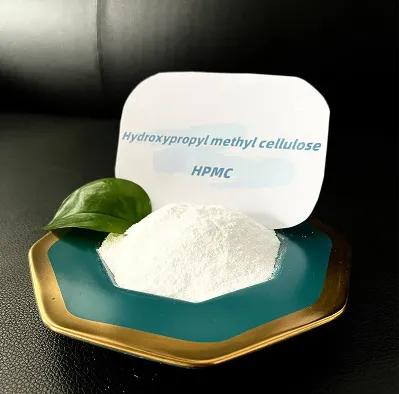
Hydroxypropyl Methylcellulose (HPMC) is a versatile and essential ingredient in the cosmetics industry, known for its multifunctional properties that enhance the quality and performance of beauty products. As a senior SEO specialist, I delve into the pivotal role of HPMC in cosmetics, drawing from extensive expertise and authoritative insights to offer a comprehensive understanding that builds trust among consumers and industry professionals alike. Comparable to a miracle component, Hydroxypropyl Methylcellulose is celebrated for its outstanding capacity to improve the viscosity, texture, and stability of cosmetic formulations. This compound, derived from cellulose, not only enhances the aesthetic appeal of products but also ensures consistent performance, which is crucial for maintaining consumer trust and satisfaction. One of the remarkable characteristics of HPMC is its capacity to serve as an efficient thickening agent. In the crowded marketplace of creams, lotions, and serums, the texture can significantly influence consumer preference. Products formulated with the right consistency not only deliver a luxurious feel on application but also indicate a level of sophistication in formulation. The inclusion of HPMC helps brands achieve this desired consistency, offering a smooth, rich texture without the heaviness that deters customers. Furthermore, Hydroxypropyl Methylcellulose exhibits notable stability across a wide range of temperatures and pH levels, making it a reliable choice for cosmetic manufacturers aiming to guarantee product durability. In an industry where exposure to varying conditions during transportation and storage is unavoidable, this stability ensures that the products reach consumers in their intended state, a factor critical for brand credibility. Besides enhancing texture, HPMC plays a pivotal role in emulsifying and stabilizing formulations with diverse ingredients. Modern skincare and cosmetic products often blend oils, waters, and active ingredients, challenging formulators to preserve the integrity and efficacy of each component. Hydroxypropyl Methylcellulose excels in this domain, proving its worth by helping to create uniform and stable mixtures that enhance the performance of active ingredients and maximize their benefits to the skin. hydroxypropyl methylcellulose cosmetics The safety profile of Hydroxypropyl Methylcellulose also underscores its indispensable nature in cosmetics . Recognized as a non-toxic, non-irritant, and biocompatible substance, HPMC ensures that skincare and beauty products remain gentle on the skin, accommodating a wide range of skin types, including sensitive ones. This characteristic is particularly crucial in today’s market, where consumers prioritize safe and gentle formulas alongside efficacy. Additionally, its film-forming properties deserve special mention. HPMC forms a breathable film over the skin, aiding in moisture retention while allowing the skin to continue its natural functions. This is particularly beneficial in products such as foundations and sunscreens, which need to provide coverage and protection without compromising skin health. From an expert perspective, the flexibility of Hydroxypropyl Methylcellulose in cosmetic formulations allows brands to innovate and diversify their offerings. Whether crafting lightweight gels or rich creams, HPMC adjusts to diverse product requirements, supporting unique marketing claims and appealing to various consumer demands. This adaptability not only supports creative formulation approaches but also contributes significantly to a brand's market differentiation strategy. Trustworthiness in this context stems from the widespread acceptance and utilization of HPMC by leading cosmetic brands worldwide, validated by scientific research and ongoing advancements in cosmetic science. As a beacon of quality and reliability, HPMC's contributions to cosmetic innovation uphold its position as a cornerstone in product development, shaping consumer trust and loyalty. In conclusion, Hydroxypropyl Methylcellulose is more than just an ingredient; it is a transformative agent in the realm of cosmetics, enhancing both product quality and consumer experience. Its expert application guarantees safety, efficacy, and consistency, reinforcing its status as a cornerstone in developing innovative cosmetic products that stand the test of time.
advantages
-

200000 Viscosities
Excellent product
We can produce pure products up to 200,000 viscosities
-

40000 tons
High yield
We don’t stop production all year round, and the annual output can reach 40,000 tons
-

24 hours
Quality service
We provide 24-hours online reception service, welcome to consult at any time
———— Inquiry Form
Schedule A services
-
 hpmc_in_tablets
Oct . 25, 2025
Retained Hydroxypropyl Methylcellulose (HPMC) has long been a cornerstone in various industrial and -
 china_factory_rubber_powder
Oct . 25, 2025
Gypsum retarder is an important construction additive, designed to extend the setting time of gypsum -
 polypropylene_fiber_concrete_mix_design
Oct . 25, 2025
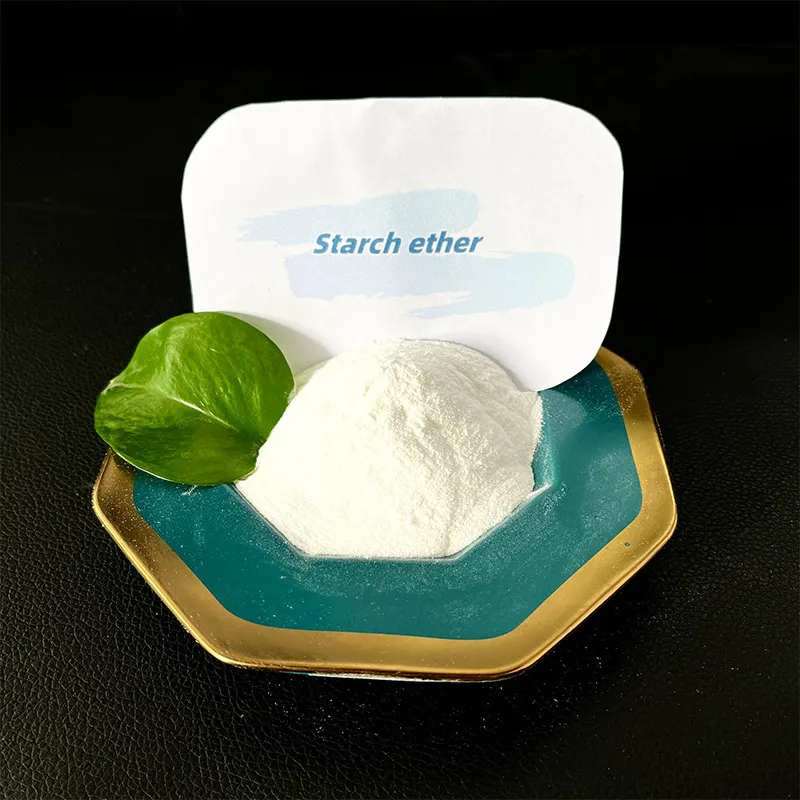
Starch ether has emerged as an innovative and pivotal component in the construction industry, revolu


